AMALIA was officially launched and is now ready for open use
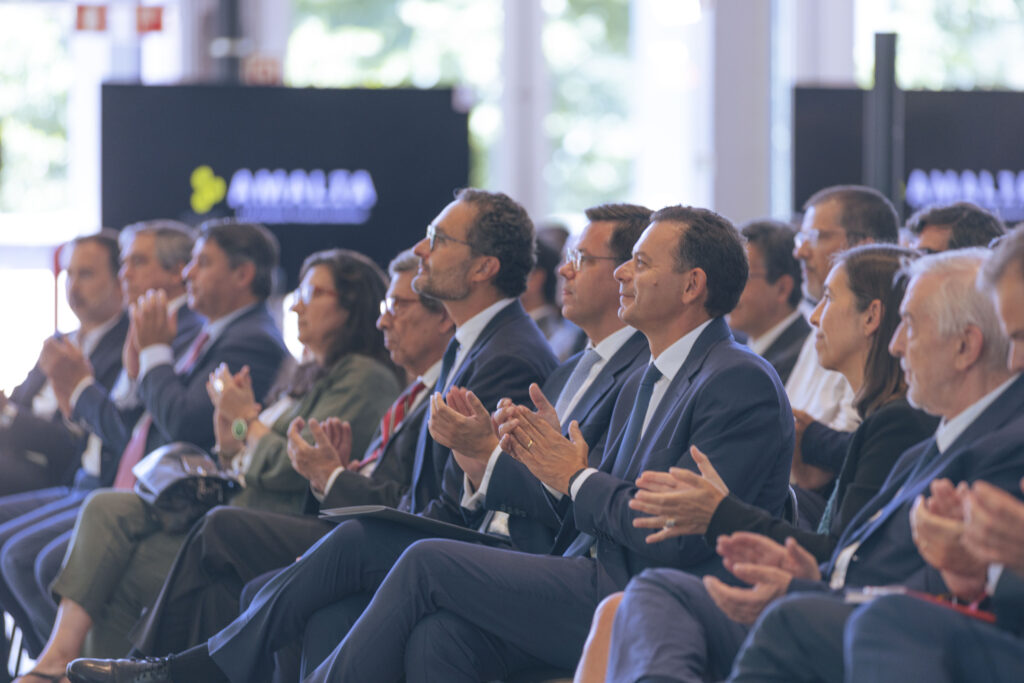
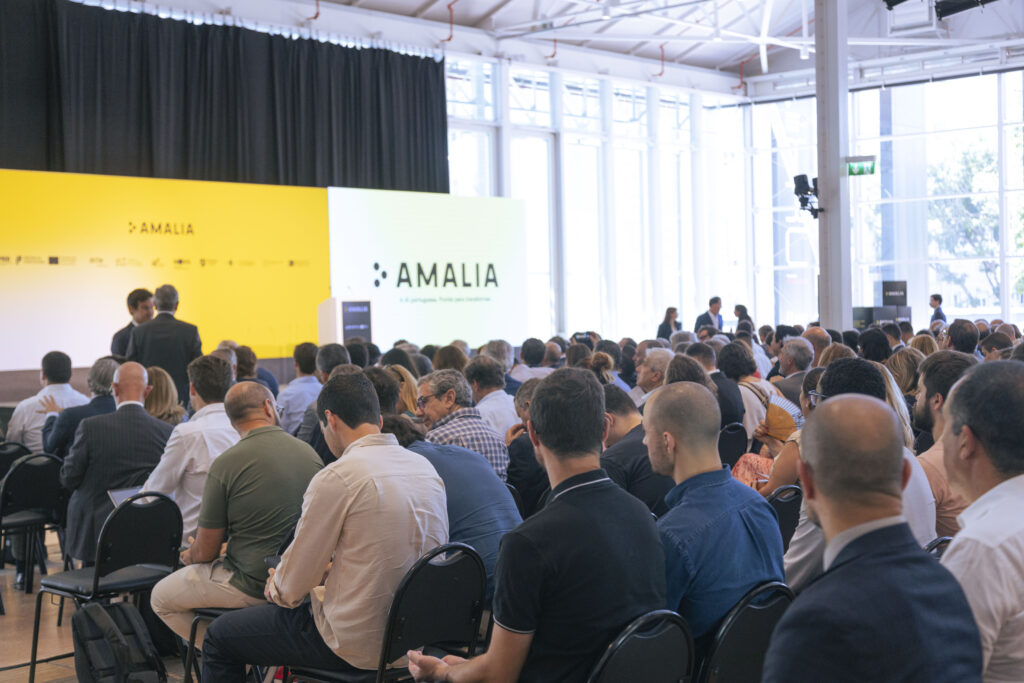
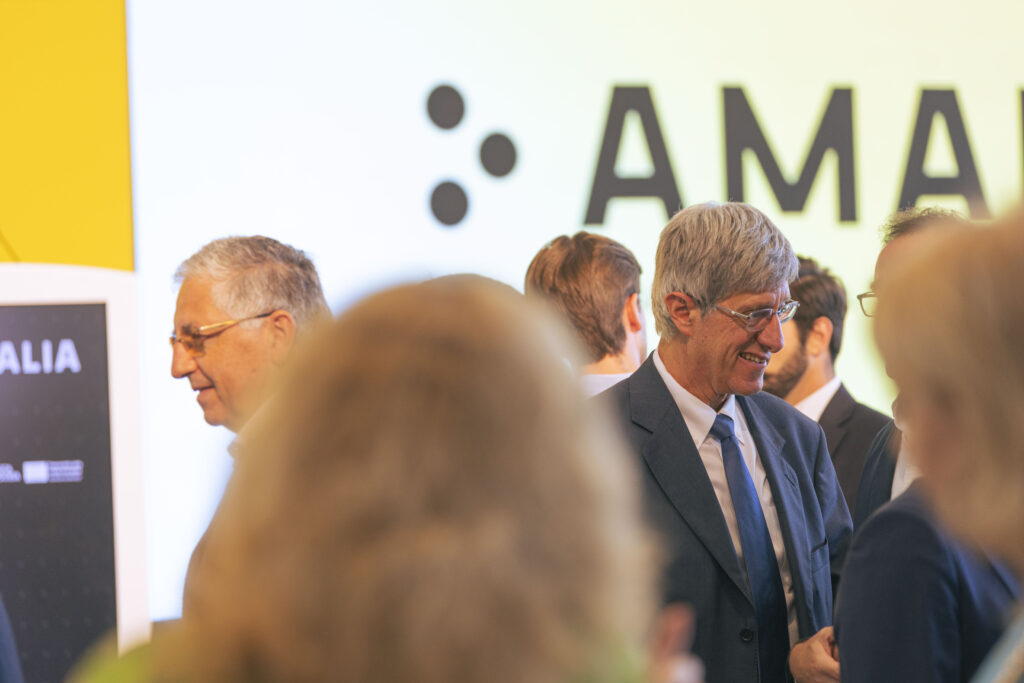
The AMALIA (Automatic Multimodal Language Assistant with Artificial Intelligence) was officially presented on 1 July at Técnico Innovation Center, a ceremony attended by INESC-ID, as part of the research team. The presentation was met with very positive feedback and a clear recognition of the work that was developed to create AMALIA.
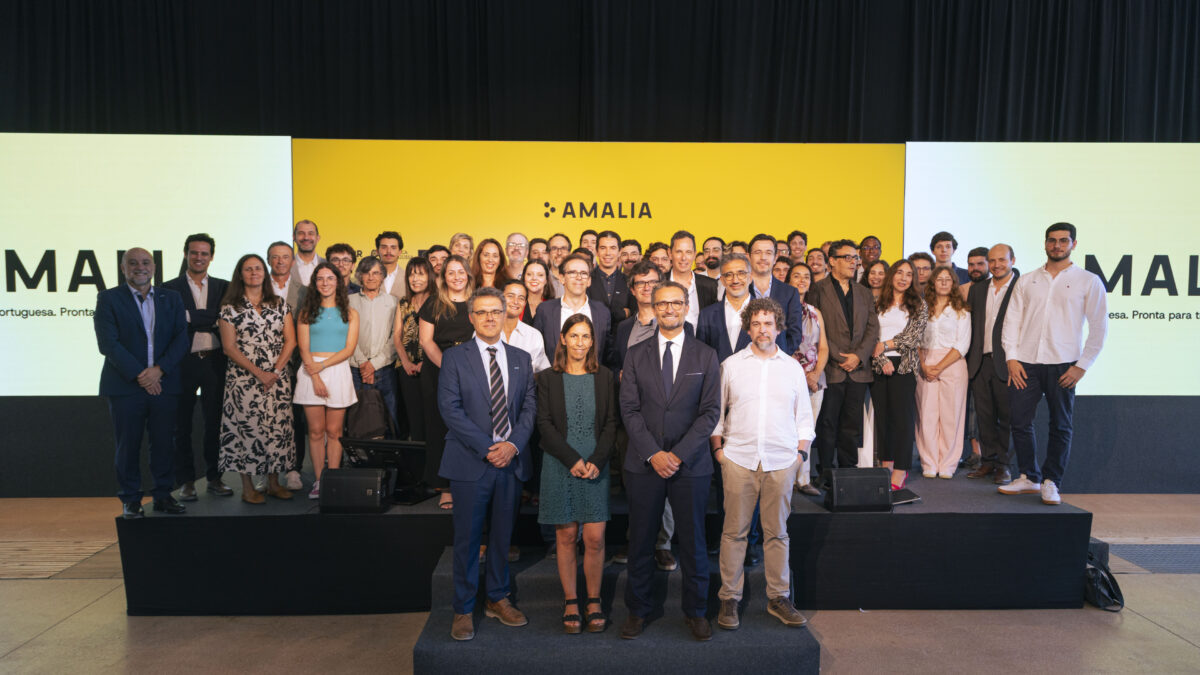
Coordinated by Agência para a Reforma Tecnológica do Estado (ARTE) and Fundação para a Ciência e a Tecnologia (FCT) the initiative brought together 80 researchers and was supported by 5.5 million euros of Recovery and Resilience Plan (PRR) funding. AMALIA is the first Large Language Model (LLM) developed specifically for European Portuguese, built on the EuroLLM foundations and enriched with data from Arquivo.PT.
At INESC‑ID, the research team was led by Alberto Abad, specialist in Human Language Technologies, and composed of Bruno Martins, Carlos Carvalho, Thomas Rolland, Francisco Teixeira, Ben Peters, Cesar Camus, and Artur Monteiro. The contributions were focused particularly on speech processing and audio‑to‑text conversion. Designed to reflect and preserve the Portuguese language and cultural identity, AMALIA is expected to support essential sectors such as administration by replacing models already in use or modernising processes. Additionally, it is believed it will have an impact in education, media, science and cultural heritage. For now, however, the team is working on providing better and more multimodal skills to the model.
The event was attended by Prime Minister Luís Montenegro, Fernando Alexandre, Minister for Education, Science and Innovation, and Gonçalo Matias, Deputy Minister for State Reform, who highlighted the project’s significance and the merit of the academic community involved.
Know more here.
© 2026 INESC-ID. When sharing or adapting this article, credit INESC-ID with a link to the original source.
Images: © Instituto Superior Técnico