
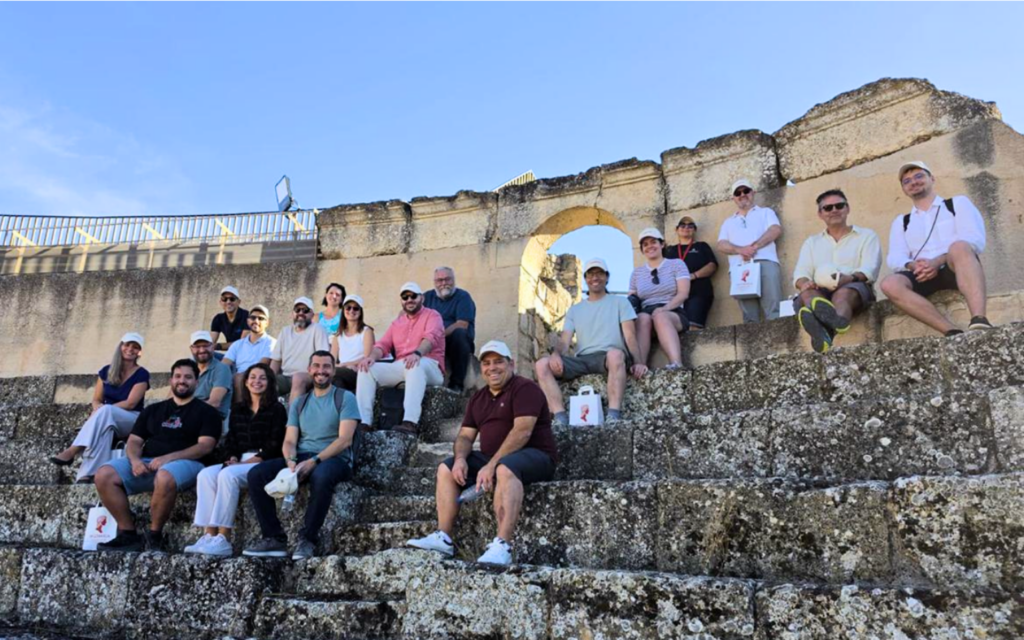
AI and mixed reality to transform the cultural heritage experience: INESC-ID joins NARRATIA
INESC-ID is a partner in NARRATIA, a new Horizon Europe project that will combine generative AI and immersive technologies to turn heritage visits into personalised stories. Visitors become the protagonists, meeting historical characters on location and co-authoring narratives set in the physical space around them….
INESC-ID Researchers among Stanford Elsevier’s World’s Top 2% Most Influential Scientists in 2025
Stanford has released the Stanford/Elsevier Top 2% Scientists List 2026, which feature 30 INESC-ID researchers, among the most cited scientists in the world. This annual recognition comprises two lists naming top scientists, doctors, engineers, and mathematicians, among 200 thousand people, one referring to the 2025…
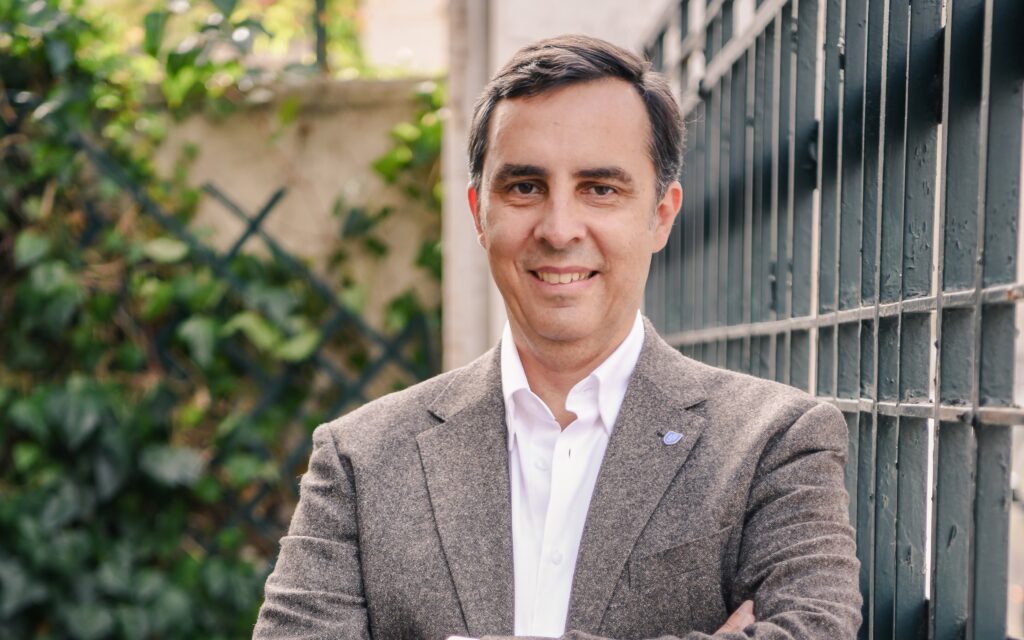
Miguel Pupo Correia on CNN to comment the recent cyberattack against supermarkets
How can everyday connected devices become a cybersecurity risk? In a recent interview with CNN Portugal, Miguel Pupo Correia, INESC-ID researcher and President of the Executive Committee, commented on the cyberattack that affected supermarket chains across Europe. He explained how the integration of small internet-connected…

Ana Paiva appointed EurAI President
Ana Paiva, INESC-ID researcher in Artificial Intelligence for People and Society, has recently been appointed President by the European Association for Artificial Intelligence (EurAI). The appointment was confirmed during the EurAI General Assembly, which took place in Bremen. By taking on this role, Ana Paiva…
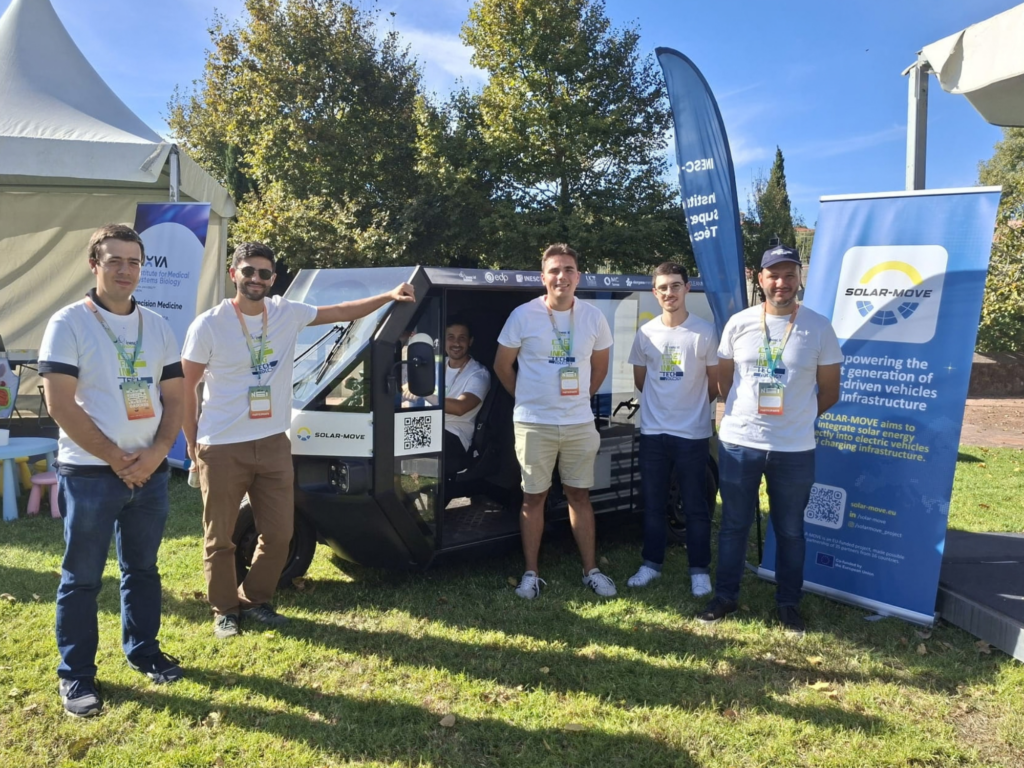
From sustainable ports to solar-powered cars: INESC-ID’s participation at NEI Oeiras 2026
The buzz of people bustling about, the clatter of stands being assembled, and suddenly, the rumble of the SOLAR-MOVE electric car crossing the small bridge leading into the garden. As it drove across the lawn, we seized the moment to capture it and share it…
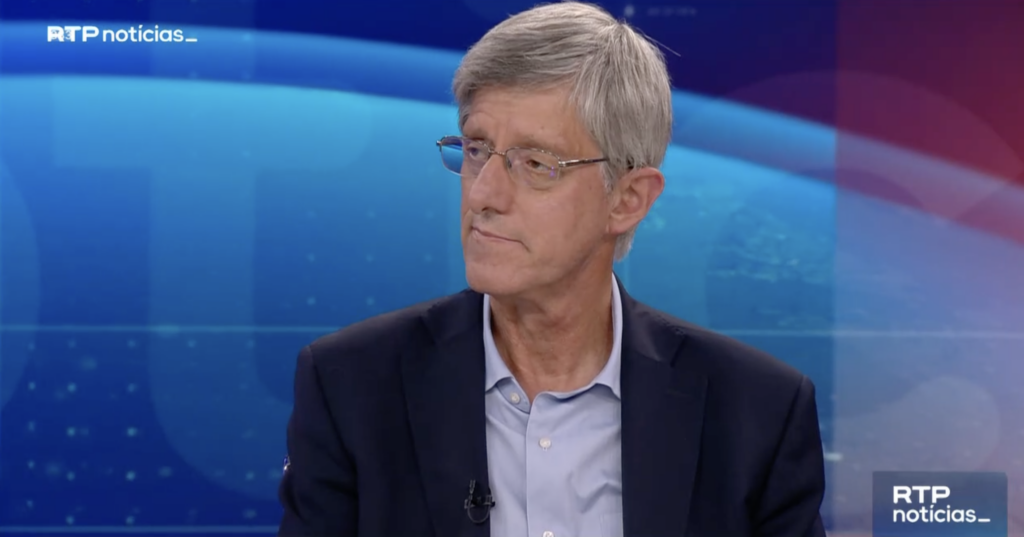
In the Media: Arlindo Oliveira on AI’s risks and the need for regulation (RTP)
“It’s one in a vast spectrum of opinions.” In the wake of recent events regarding Artificial Intelligence (AI), Arlindo Oliveira, researcher at INESC‑ID and President of INESC, was invited to RTP to clarify what risks AI truly presents. This intervention followed the resignation of Anthropic…
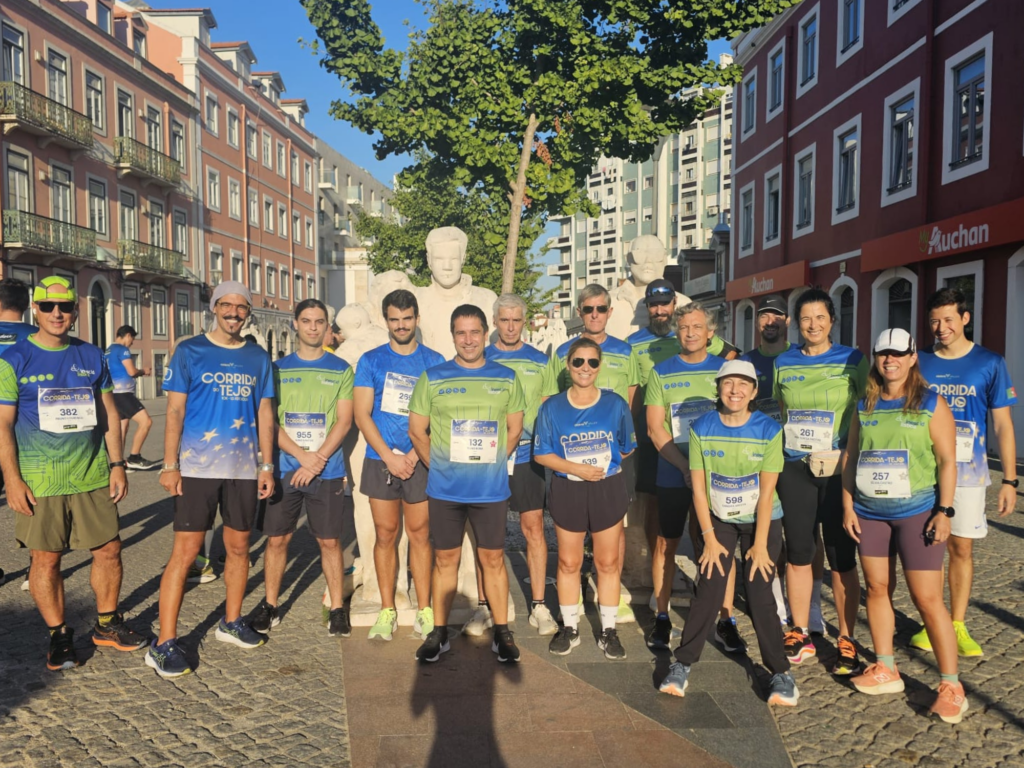
A Growing Team and Renewed Energy: INESC‑ID at Tejo Run 2026
The INESC‑ID team returned to the Tejo Run with renewed energy and an even larger group, confirming the enthusiasm that last year’s participation had already made clear. Gathering near Estação de Algés, the team prepared for the challenge ahead, taking a moment first to register…

“Vencer o Adamastor” Award – 5th Edition
Applications are open for the 5th edition of the “Vencer o Adamastor” (“Beating the Adamastor”) Award, an initiative by INESC and Público to recognise innovative work by young scientists, developed in Portugal, in the fields of Information and Communications Technology (ICT), including electrical engineering and…
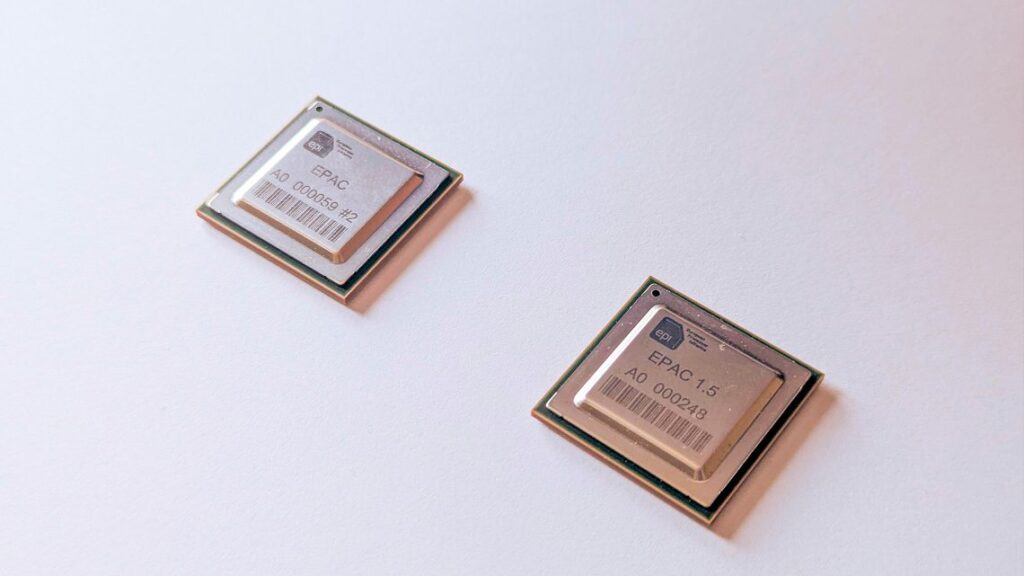
EPI successfully completes the first European processor
The European Processor Initiative (EPI) project has achieved a milestone for Europe’s digital autonomy with the development of the first European processor. Among the many teams involved, the Portuguese contribution was led by researchers from INESC‑ID. Aiming to advance processors capable of powering Europe’s future…
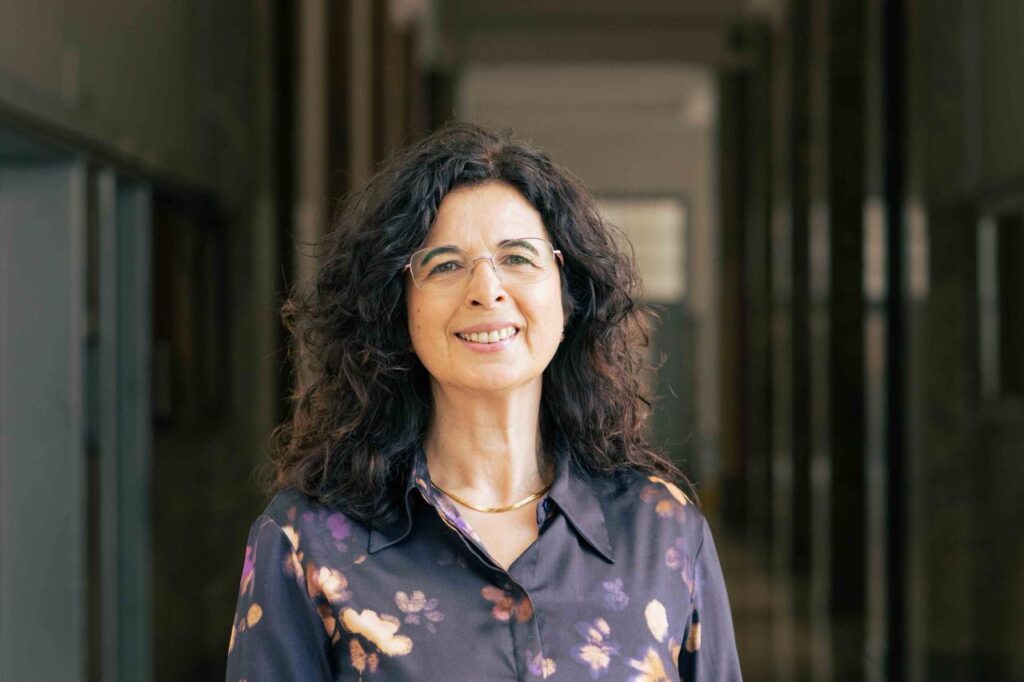
In the Media: Ana Teresa Freitas writes for ECO on the role of AI in biomedical data and health research
“Contrary to a postal address, the meaning of biological information changes as knowledge advances.” In a recent article for ECO, Ana Teresa Freitas, researcher and coordinator of the Life & Health Technologies (LHT) Thematic line at INESC-ID, reflects on the use of Artificial Intelligence (AI)…