
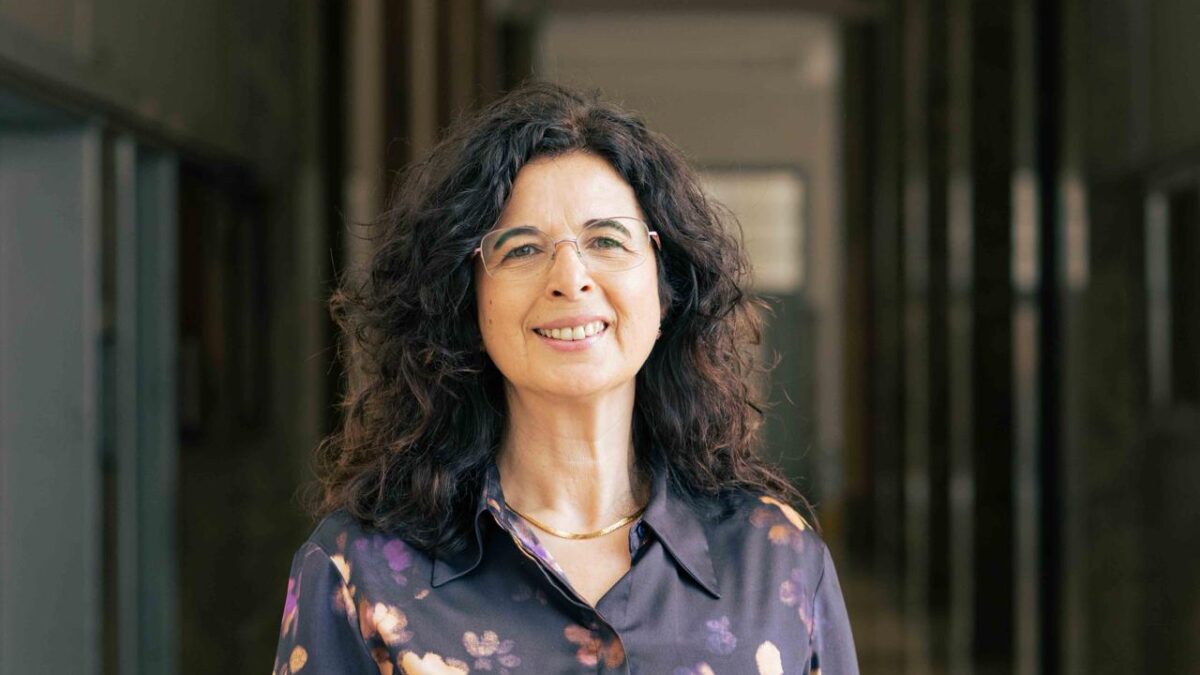
In the Media: Ana Teresa Freitas writes for ECO on the role of AI in biomedical data and health research
“Contrary to a postal address, the meaning of biological information changes as knowledge advances.”
In a recent article for ECO, Ana Teresa Freitas, researcher and coordinator of the Life & Health Technologies (LHT) Thematic line at INESC-ID, reflects on the use of Artificial Intelligence (AI) models in health conditions, particularly uncommon ones, and on the challenges of ensuring that the underlying information remains current.
The researcher explains how AI can analyse clinical data to support the study of specific conditions, yet their effectiveness depends on the continuous revision of the datasets used for training, ensuring it stays up to date with new scientific findings. Maintaining this cycle of updates is far from straightforward, since biomedical data is highly sensitive, transferring it across borders raises privacy concerns that cannot be overlooked. To address this matter, Ana Teresa Freitas suggests combining federated data exchange with additional security layers, such as trusted research environments (TREs) and highlights the efforts of INESC-ID’s LHT to develop these secure environments in collaboration with hospitals, universities and other institutions.
Read the full piece (in Portuguese) here
© 2026 INESC-ID. When sharing this article, credit INESC-ID with a link to the original source.