
INESC-ID researchers develop AI model inspired by human vision
From unlocking our phones with facial recognition to self-driving cars, AI-based computer vision is increasingly part of the technologies we use. Yet there is still much to learn from how we see the world.
To address this gap, researchers from INESC-ID, Instituto Superior Técnico (IST), and the Champalimaud Foundation (CF) have developed EVNets – Early Vision Networks, an AI model inspired by the primate visual system to improve robustness in image analysis.
The research, developed by Lucas Piper and Arlindo Oliveira (INESC-ID and Instituto Superior Técnico), together with Tiago Marques (Champalimaud Foundation), was recently presented by Lucas at NeurIPS 2025 in San Diego, one of the most prestigious international conferences in Machine Learning and AI.
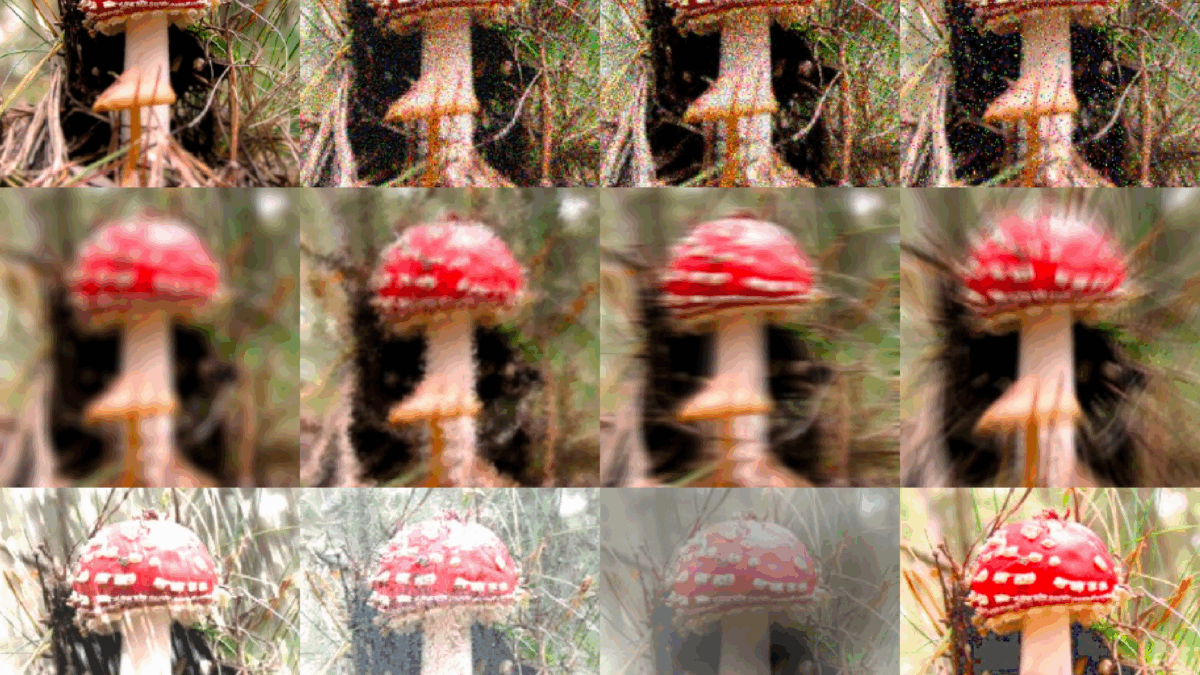
EVNets build on earlier research into how primates process visual information, integrating biological principles to enhance performance in computer vision tasks. The model is particularly effective when dealing with distortions such as brightness or contrast variation, situations that human vision handles naturally but that remain challenging for many traditional AI systems.
This biologically inspired approach also supports more interpretable and transparent algorithms. “We want to develop models that we can comprehend and explain,” said Lucas. “If these algorithms are aligned with how the human brain works, they are already more inherently understandable.”
At the Breast Cancer Research Program at the Champalimaud Foundation, EVNets are already being tested to determine whether the model can analyse medical imaging scans from different manufacturers more reliably than current AI methods. If the improvements in robustness translate to clinical data, EVNets could contribute to more consistent diagnostics and support patient care.
—
© 2025 INESC-ID
Image: Tiago Marques / Champalimaud Foundation