
INESC-ID secures two AI grants from CMU Portugal and UT Austin Portugal: improving LLM code generation and humanoid domestic robots
INESC-ID has been awarded two research grants under the 2025 exploratory project calls of the CMU Portugal and UT Austin Portugal programmes, funded by Fundação para a Ciência e a Tecnologia (FCT). one focused on making LLM-generated code more reliable, the other on enabling humanoid…

INESC-ID awarded €27.2 Million to Establish the Sustainable Artificial Intelligence Laboratory (SAIL) Centre of Excellence
Led by INESC-ID, the Sustainable Artificial Intelligence Laboratory (SAIL) will be a transformative project that will upgrade INESC-ID into a world-class Centre of Excellence (CoE) dedicated to the development of state-of-the-art, sustainable, and trustworthy Artificial Intelligence. To achieve its goals, INESC-ID is teaming up with…
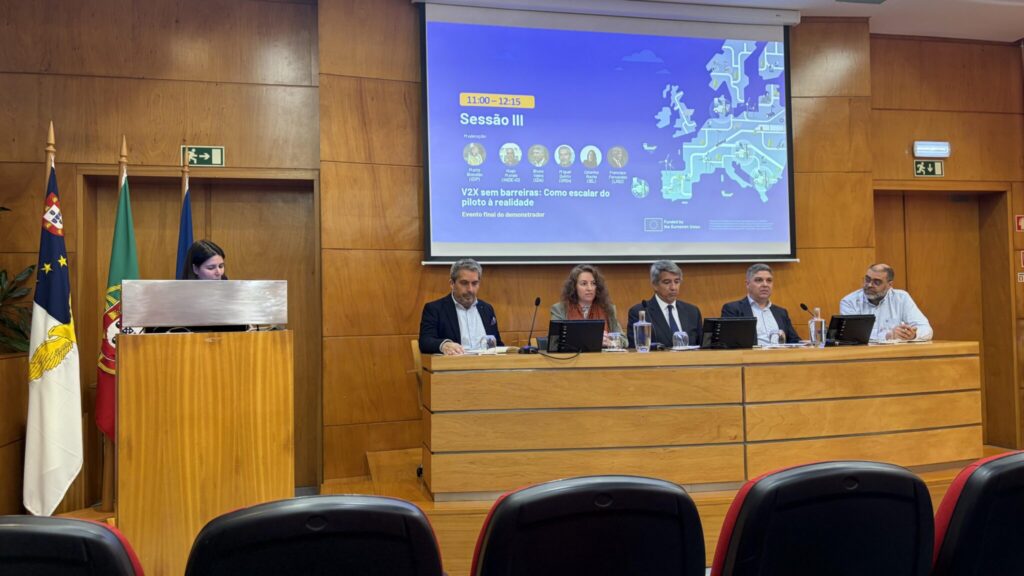
Smart charging in the Azores: EV4EU presents V2X results from Portuguese demonstrator
Around 47% of new vehicles acquired in the Azores last year are electric, with an estimated 6000 electric vehicles (EVs) already used across the archipelago. With these promising numbers, the INESC-ID led EV4EU project (“Electric Vehicles Management for carbon neutrality in Europe”), held the final…
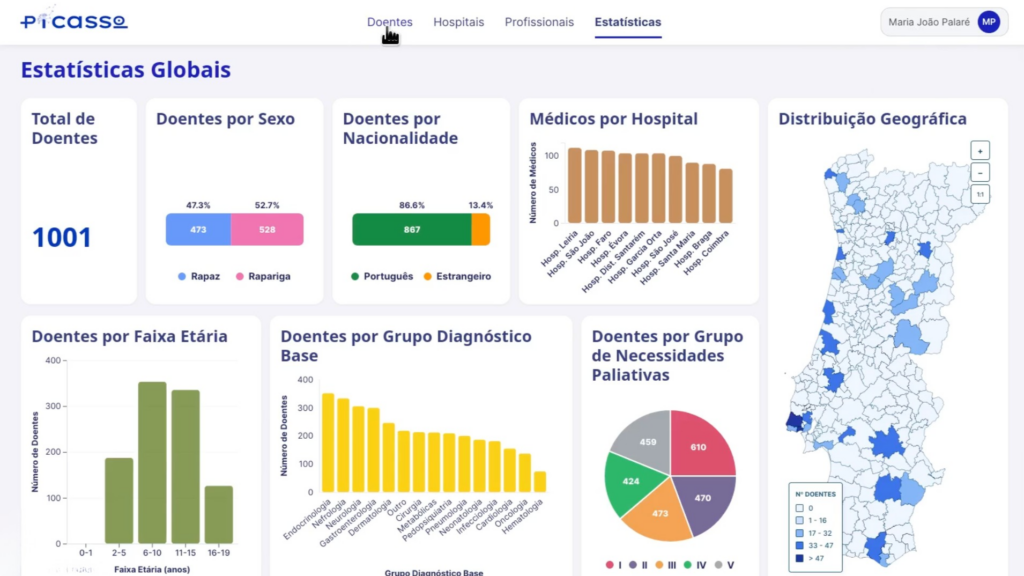
No longer invisible: PiCaSSo brings pediatric palliative care data to Portugal’s hospitals
In Portugal, 7,828 children require palliative care. Their clinical data still lives in Excel spreadsheets, scattered across doctors and hospitals. Maria João Palaré, a specialist at Hospital de Santa Maria, decided it was time to change that. “In February 2024, we were contacted by a…

Big steps towards a smaller footprint: INESC-ID contributes to innovative carbon-management platform
Environmental requirements and regulations have been increasing in an effort to address the climate crisis, one of society’s main concerns in recent years. These goals, however urgent, can be challenging to meet. In a partnership with INESC-ID, Nova SBE and the Municipality of Fundão, tech…
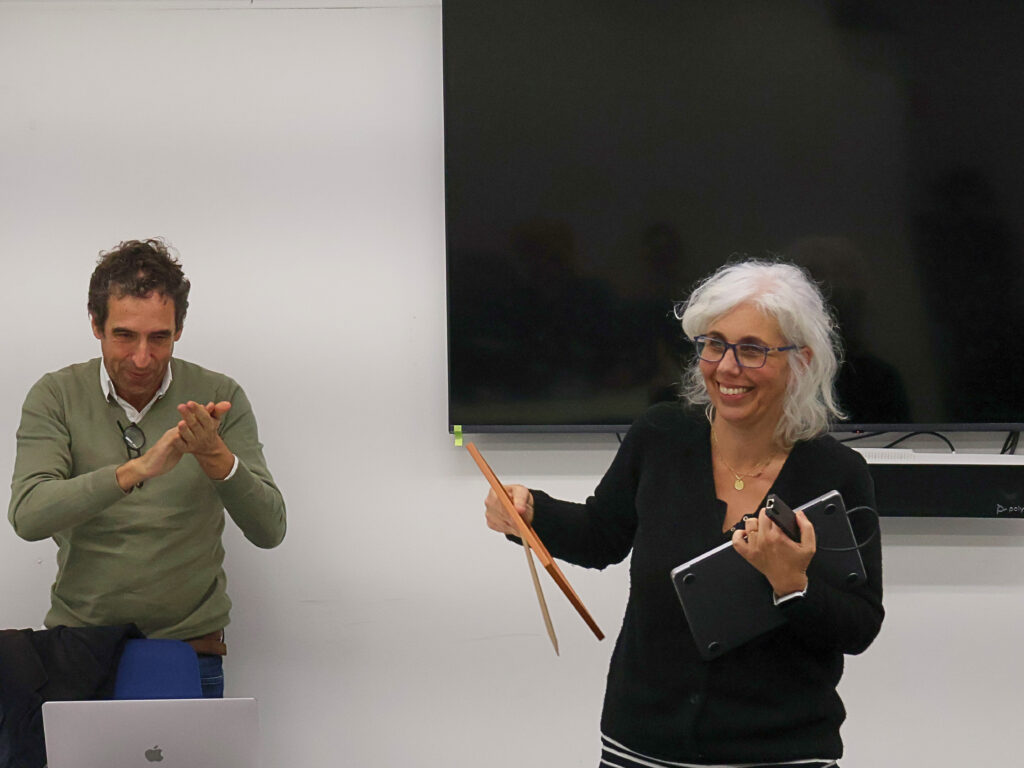
INESC-ID Awards 2025: celebrating research excellence and the people who make it
Closing the year, the INESC-ID Awards 2025 brought together researchers, students and staff to recognise three outstanding contributions to the institute’s scientific life and impact. Hosted by the President of the Scientific Council, Rodrigo Rodrigues, the packed hybrid ceremony awarded Best INESC-ID Researcher to Luísa…
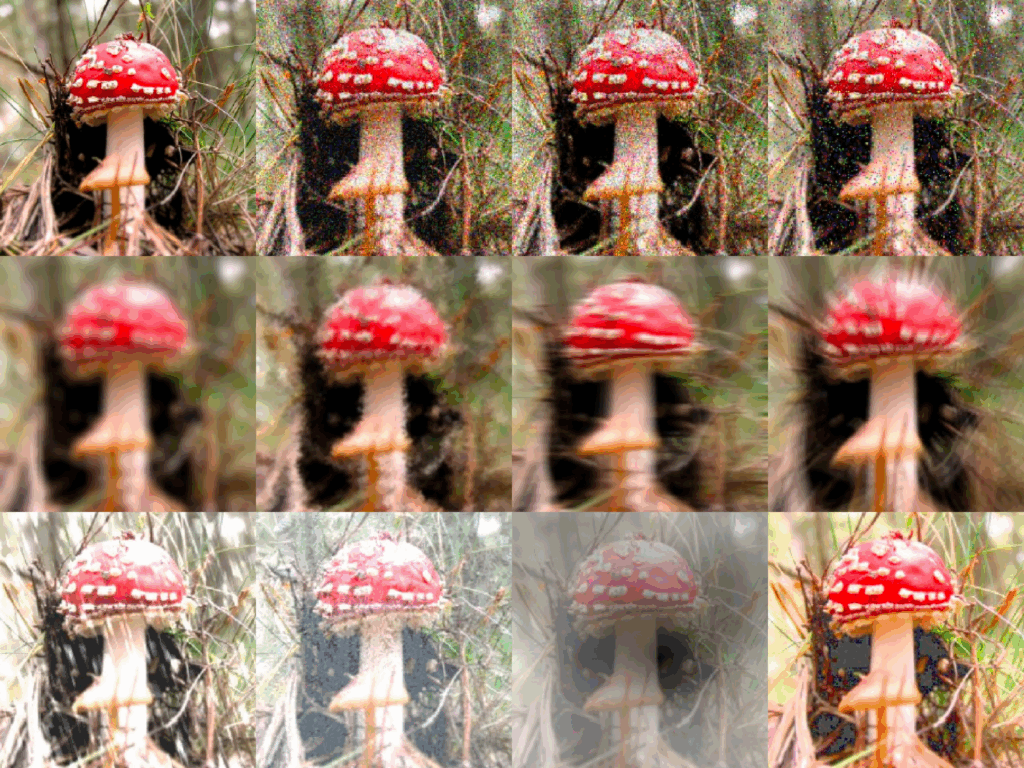
INESC-ID researchers develop AI model inspired by human vision
From unlocking our phones with facial recognition to self-driving cars, AI-based computer vision is increasingly part of the technologies we use. Yet there is still much to learn from how we see the world. To address this gap, researchers from INESC-ID, Instituto Superior Técnico (IST),…

More than a gut-feeling: using AI to analyse the gut microbiome and its impact on menopause
There are many places that provide a home for these microscopic communities we call the “microbiome”. One such location is none other than the human gut, where the microorganisms play a crucial role in a range of processes such as metabolism, immunity and even behaviour….
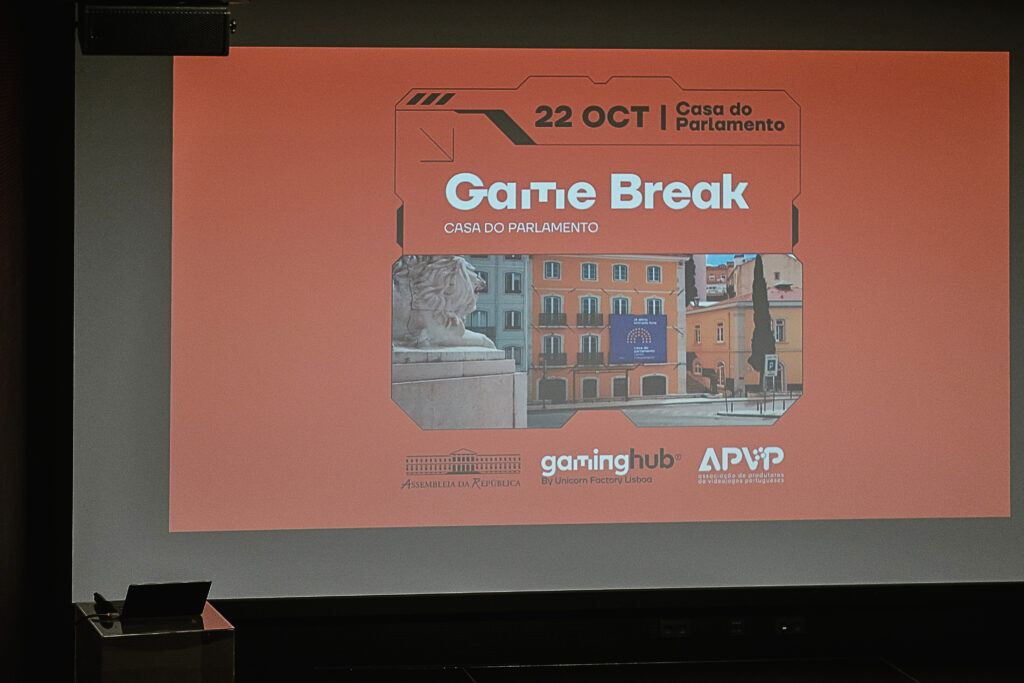
Serious games go to Parliament: INESC-ID showcases research-driven play for inclusion, trust and social good
In the house of democracy, all sorts of games are played. But on October 22, a few members of parliament and advisors only had to cross the street from Assembleia da República to Casa do Parlamento, an interactive and multimedia centre dedicated to the history…

After the lights went out: MIT and INESC-ID researchers team up to prevent the next blackout
Long queues outside corner shops and bakeries. Supermarkets closed. Anxious people carrying gas cylinders, bags of charcoal, batteries, and candles. In an instant, and for several hours, the fast, digital rhythm of 21st-century life was unplugged. The unprecedented Iberian blackout that left Portugal and Spain…